

Troy Littles
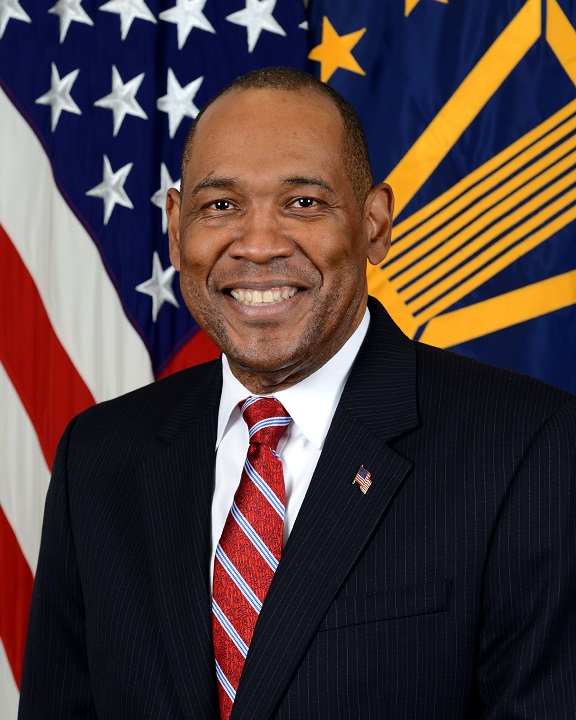
When people thank Troy Littles for his military service, he often feels a little embarrassed.
“I did this not for people to thank me,” Littles said. “I did it because I really wanted to do it. There is something in my heart about this country.”
Littles initially joined the Marines after high school and ultimately spent 26 years in the Army. For him, military service was about serving the nation, a mission he continues today as GTRI’s chief operating officer.
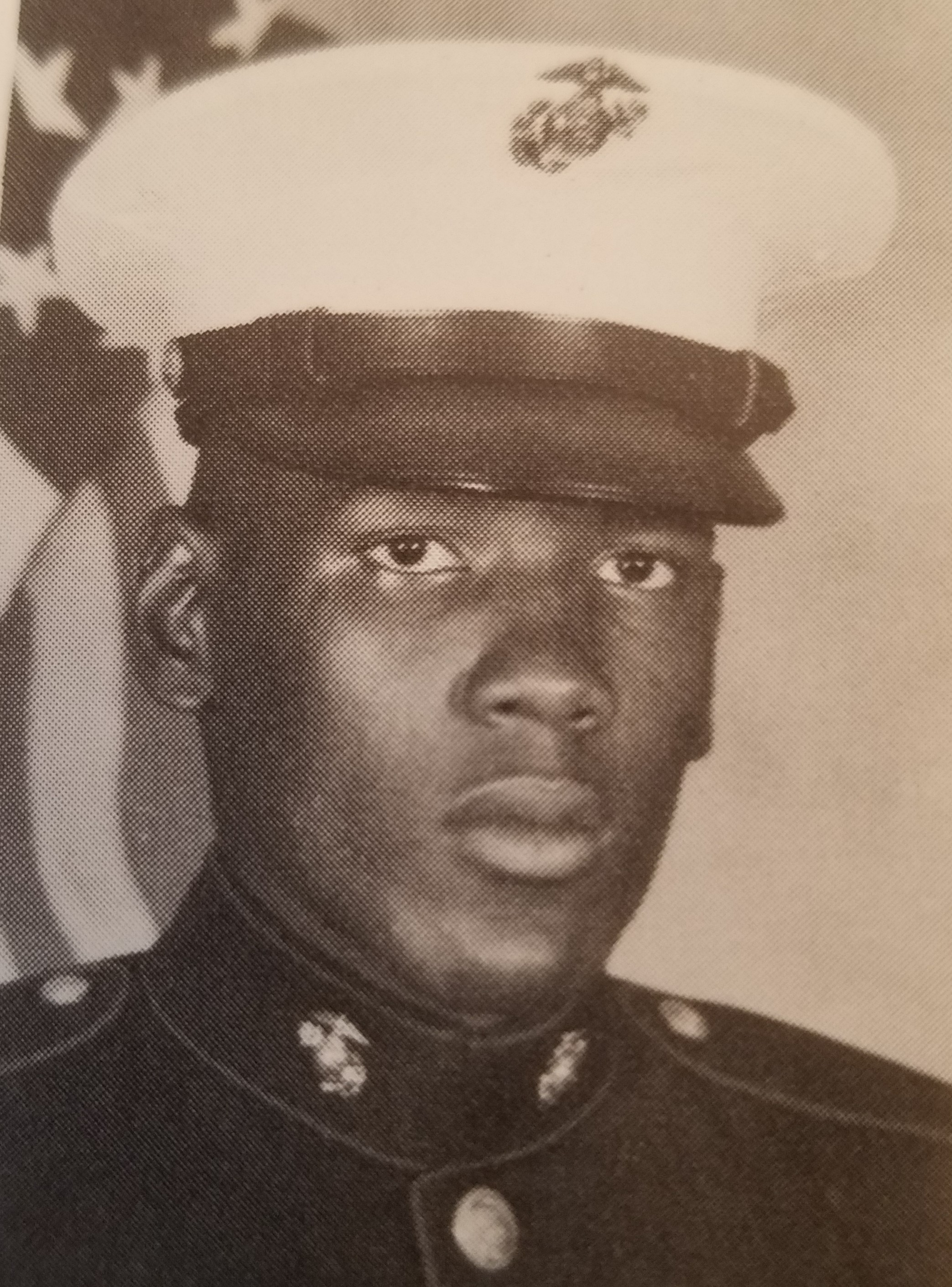
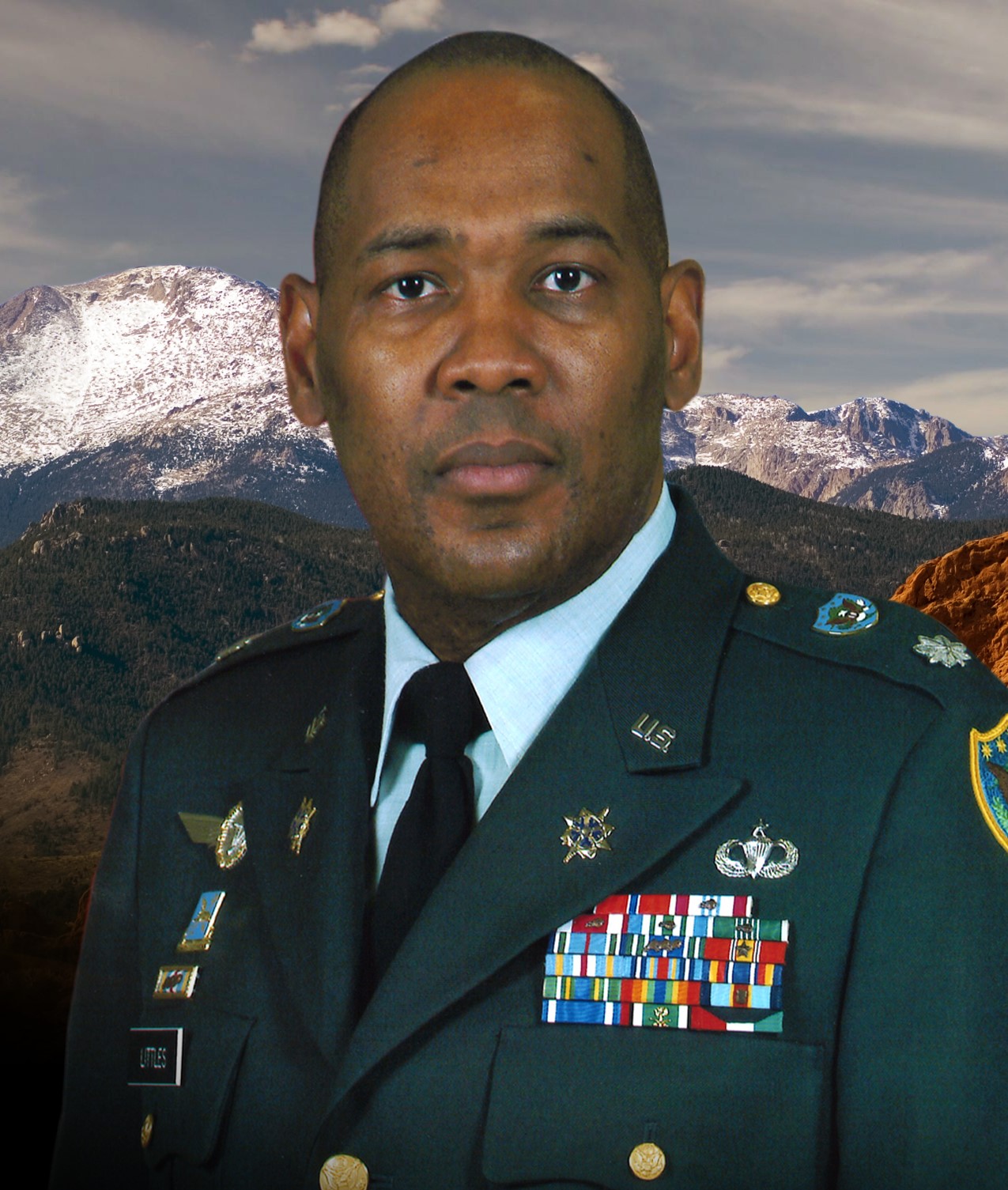
Growing up around two uncles who served in the Air Force, Littles always knew he wanted a career in the military. At 17, he enlisted in the Marine Corps Reserve. When Littles was a student at Longwood University in Virginia, an Army ROTC instructor encouraged him to join the Army. His career took him from South Korea to Fort Bragg, with deployments supporting operations in the Persian Gulf, Afghanistan, and Haiti. Along the way, he transitioned from infantry to military intelligence as he rose through the ranks.
“I always tried to go where the action was,” he said. “I wanted to be where things were happening in the world and get a chance to participate.”
But the experiences he values most aren't tied to promotions or deployments.
“The military is such a great place that brings people together from all different cultural, social, economic ties, religious, everything,” he said. “Through the military, I've met some of the best people in the world, and they are still lifelong friends.”
After retiring from the Army in 2010, Littles held a series of leadership positions within the Department of Defense. As his career progressed, he became familiar with GTRI through its defense research and support for military customers. When the opportunity arose to join GTRI, it felt like a natural fit.
“I thought this was absolutely the best transition ever,” Littles said. “I’m still in the defense arena. I’m still supporting the warfighter.”
Today, he applies lessons from decades of military leadership to help keep GTRI's operations running smoothly, enabling researchers to focus on advancing technology and solving complex challenges. Although he now serves in a civilian role, he still feels closely aligned with the mission that first inspired him as a teenager.
“The things you do behind the scenes definitely have an effect on the front lines of the people who are supporting the warfighters,” Littles said. “I still feel connected to that.”