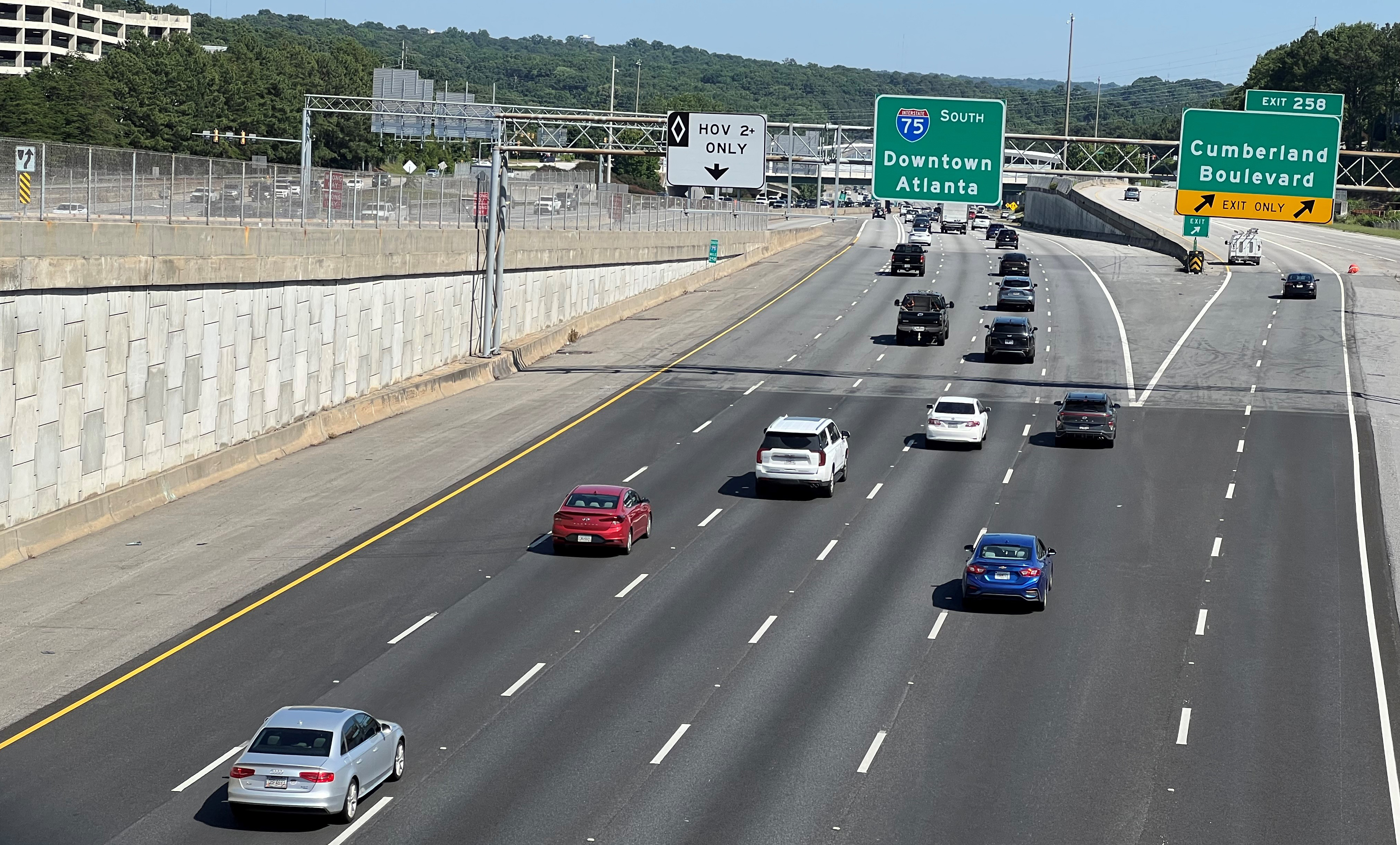
The highways Georgia citizens use each day are built on more than concrete, steel, and asphalt. Getting to and from school, work, or shopping now depends on networked systems using optical fiber, sensors, video cameras, and electronic devices known as programmable logic controllers (PLCs) that help process information.
As part of the existing Georgia Traffic Management Center (TMC), those systems notify drivers of changing highway conditions, operate traffic management devices, and help the Georgia Department of Transportation (GDOT) identify and respond to traffic issues requiring immediate attention.
In December 2025, Georgia Tech cybersecurity researchers began working with GDOT to ensure the security of those networked systems and devices. As part of this advanced cybersecurity project, they are applying machine learning (ML), a type of artificial intelligence (AI), to safeguard existing systems and set the stage for future automation.
“With GDOT, we’ve launched a foundational effort to think more about cybersecurity, the cyber resilience of transportation-related networks, and how aspects of AI could be leveraged to ensure safety, security, and trust in these critical transportation systems,” said Yatis Dodia, a senior research engineer at the Georgia Tech Research Institute (GTRI) and Georgia Tech School of Cybersecurity and Privacy (SCP).
AI Benefits Come With Security Needs
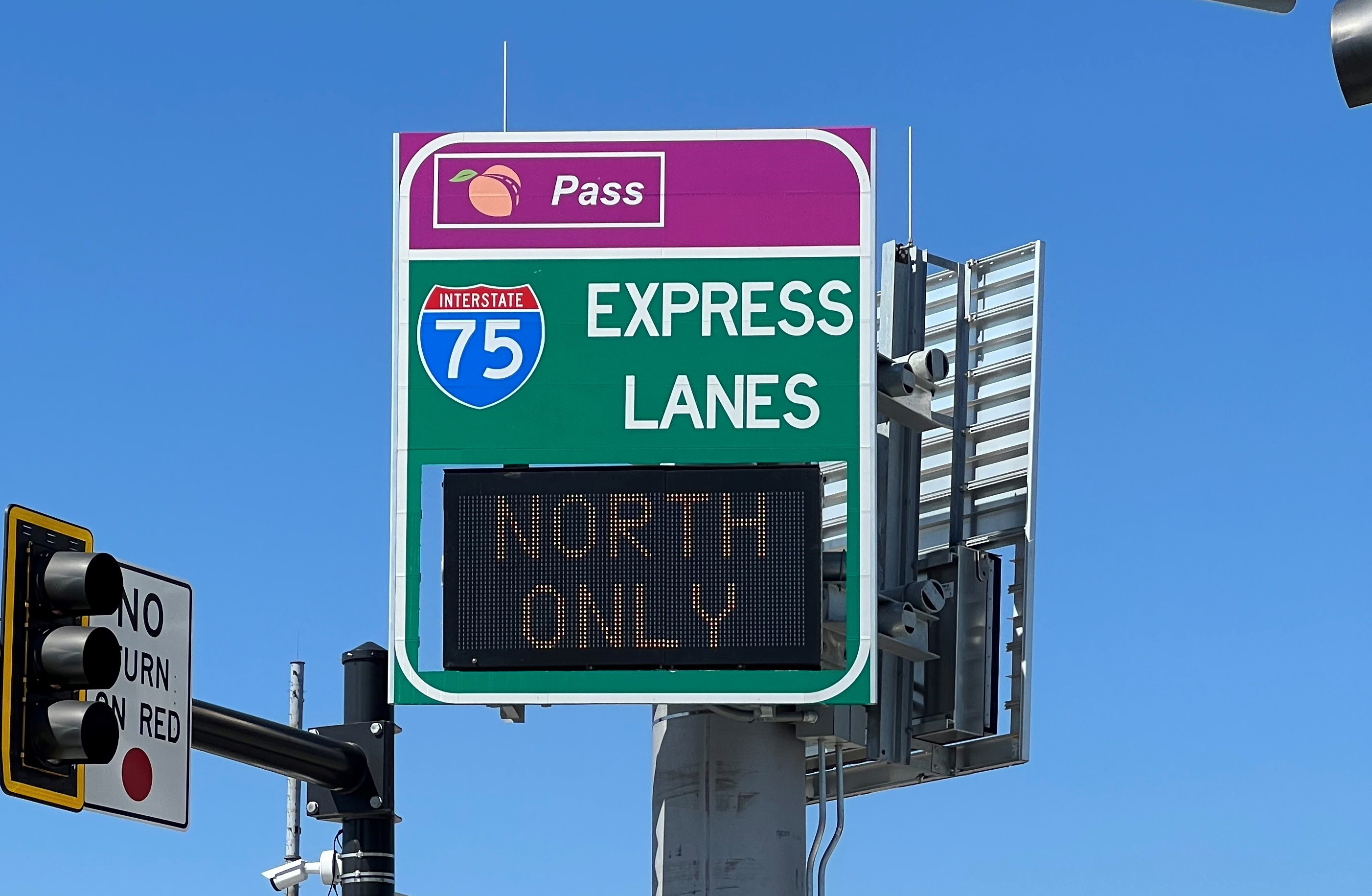
Traffic cameras, sensors, changeable message boards, and other devices are already part of the state’s Intelligent Transportation System (ITS). “We are starting to see these networked devices in the marketplace starting to leverage the power of AI,” said Teague Buchanan, GDOT’s Assistant Administrator for IT Applications.
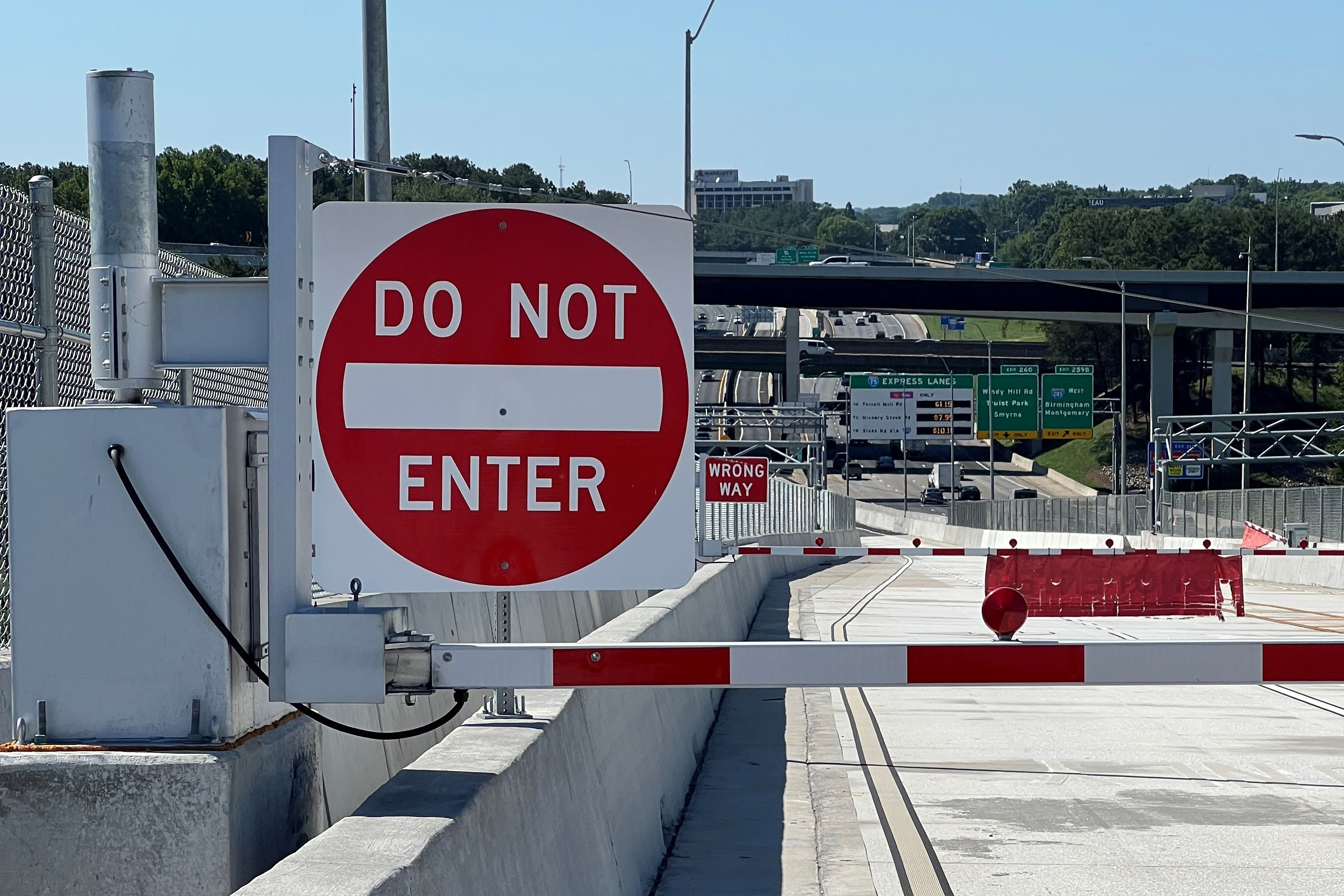
Already, GDOT is testing how AI can help detect crashes, stalled vehicles, and even wrong-way drivers by using information from the agency’s statewide traffic camera system.
“AI is already having a large role in everyday society,” Buchanan said. “As AI applications grow and develop, they’re going to be a larger part of what we do for transportation. As with everything, new technical innovations provide opportunities and come along with risks and threats. AI is going to give us more opportunities to do what we have always done — deliver the transportation system faster, cheaper, safer, and more effectively. However, we need to enable security monitoring and controls from our physical devices in the field to the GDOT network and integrated IT systems.”
For instance, AI could help GDOT quickly detect and respond to unexpected changes in traffic volumes and react faster to issues such as severe weather.
“Over time, we’re going to be orchestrating our responses with help from automation and doing that statewide, instead of at just at a device or corridor level” he explained. “That will be a huge benefit to a lot of Georgia citizens, but at the same time we need to proactively ensure these wide-reaching systems cannot be overtaken by bad actors who want to create mass disruption or harm the travelling public.”
Securing a Complex Statewide System
GDOT is tapping into Georgia Tech’s cybersecurity expertise to help prevent these situations. The overall project is led by Sabbir Ahmed, a research specialist in the GDOT Office of Performance-Based Management & Research.
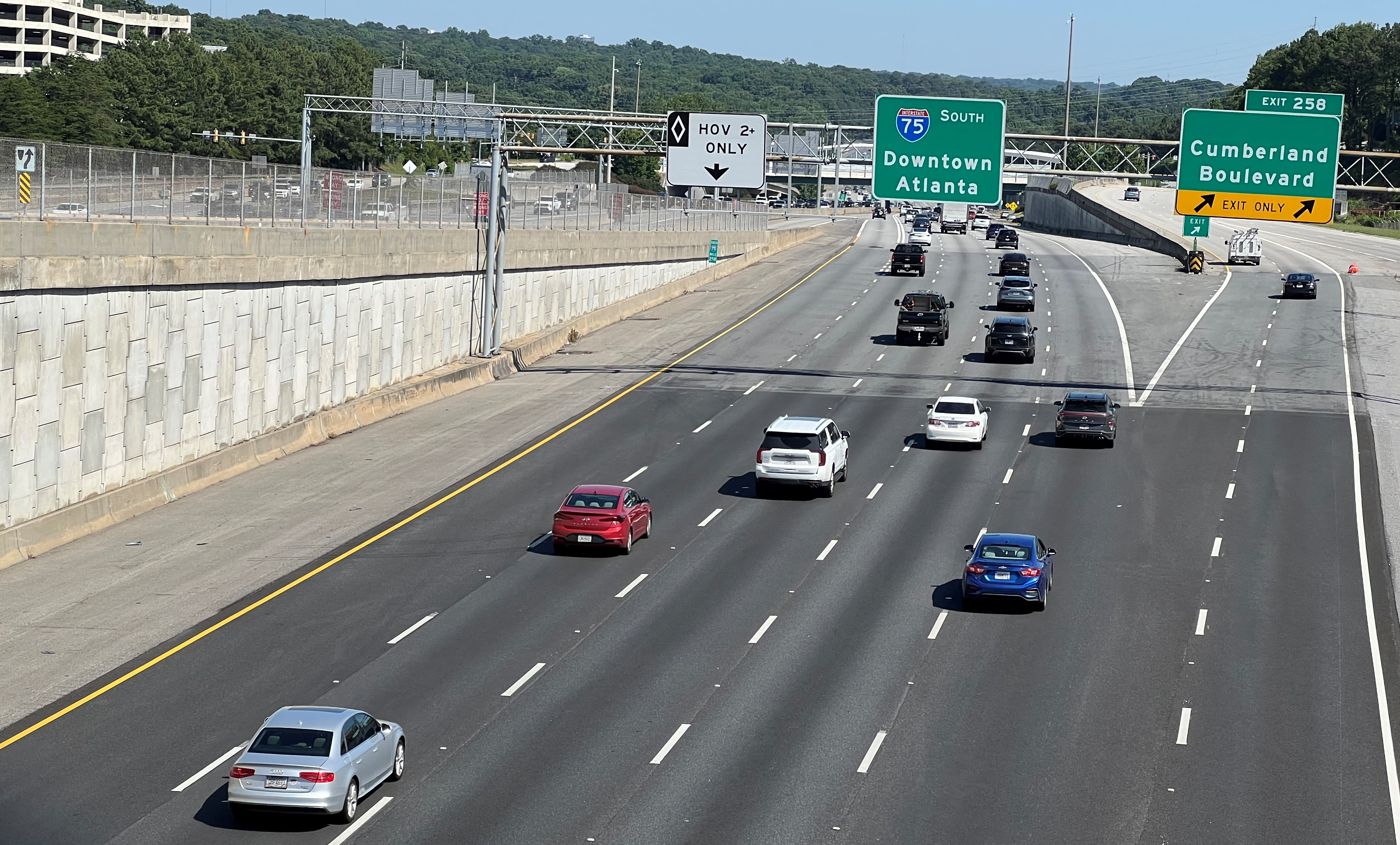
Georgia’s transportation network serves more than 11 million residents across a state that covers nearly 60,000 square miles. Dodia compares the GDOT network to other critical infrastructure such as energy utilities or telecommunications providers, where expanding system size and increasing use of automation have created significant cybersecurity implications. The GDOT project, he said, will be a foundational effort to proactively harden and provide security assurances for a large-scale networked system that Georgians depend on each day.
“We’re not thinking just about routers and switches and nodes at the state level, but also the components connected from city and county systems,” Dodia said. “As we map out the system’s breadth, we have to identify points where we can drill down to understand what goes into critical activities. These include controlling the gate arms of reversible lanes, turning on lights and LEDs to reverse lane usage, indicating traffic direction, and verifying traffic clearance from the lanes.”
Because the project is helping build a foundation for future work on detecting system anomalies, the collaboration began by gathering examples of data from the state networks. That information was used to evaluate potential threats, creating a model that Georgia Tech and GDOT experts can use to demonstrate proof-of-concept capabilities for detecting the kinds of irregularities that may be of concern.
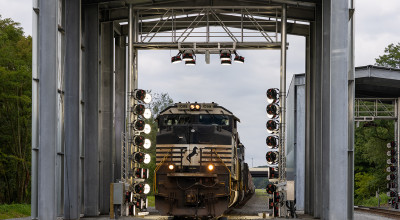
Beyond demonstrating those capabilities on a specific class of threats, the researchers are developing a detailed understanding of the system’s PLCs, which receive data from sensors, process that information, and generate signals that control physical equipment. In transportation systems, these devices commonly control motors that raise or lower gates at the entrances and exits of toll or high-occupancy vehicle lanes where traffic flow must periodically change directions.
The researchers are also evaluating ML techniques, which take advantage of computers’ ability to learn from patterns in the data they receive. In this case, computers would learn to detect data irregularities that may indicate cyber threats.
Understanding and Protecting PLCs
Like other parts of the transportation system network, PLCs must be protected from malicious actors. Saman Zonouz, an associate professor in Georgia Tech’s School of Cybersecurity and Privacy, and School of Electrical and Computer Engineering, focuses on the cybersecurity of PLC applications in healthcare, manufacturing, power grids, and transportation.
His research team uses a digital twin, a simulated copy of the GDOT network infrastructure, to understand how PLCs in the Georgia transportation network operate. That will help researchers identify any abnormalities that may be found in those devices.
“When we study a PLC, we don’t just look at it as a box,” Zonouz explained. “We operate it next to the digital twin — the simulation of the network infrastructure and the traffic. That allows us to analyze what the PLC is doing when it interacts with that simulation, giving us better information than if we had just analyzed the controller by itself.”
Signals that tell PLCs what to do come from wired or wireless connections, and from many types of equipment operating within systems connected to them. Protecting the devices from potentially malicious signals is also part of the cybersecurity strategy.
What’s Ahead for Georgia’s Transportation System
The researchers plan to wrap up their initial work in September 2026 with a report designed to help GDOT chart future directions as it plans for adoption of additional automation — and enhancements in overall cybersecurity.
“Right now, not everything in the transportation system is automated, but it will eventually get that way,” said GDOT’s Buchanan. “We realize that using AI powered devices also carries a risk. We need to build in security upfront so we can implement this technology while avoiding the risks associated with it.”
In addition to project partners already mentioned, the project team also includes Glen Chou, assistant professor in Georgia Tech’s School of Cybersecurity and Privacy, and Joshua Miller (Senior Cyber Security Engineer), and Samantha Wagner (IT Security & Compliance Analyst) from GDOT.
Funding for the nine-month project was provided by the Georgia Department of Transportation (GDOT) and the Federal Highway Administration (FHWA).
About GTRI: The Georgia Tech Research Institute (GTRI) is the nonprofit, applied research division of the Georgia Institute of Technology (Georgia Tech). Founded in 1934 as the Engineering Experiment Station, GTRI has grown to more than 3,000 employees, supporting eight laboratories in over 20 locations around the country and performing more than $1 billion of problem-solving research annually for government and industry. GTRI's renowned researchers combine science, engineering, economics, policy, and technical expertise to solve complex problems for the U.S. federal government, state, and industry.
Writer: John Toon (john.toon@gtri.gatech.edu)
GTRI Communications
Georgia Tech Research Institute
Atlanta, Georgia USA