

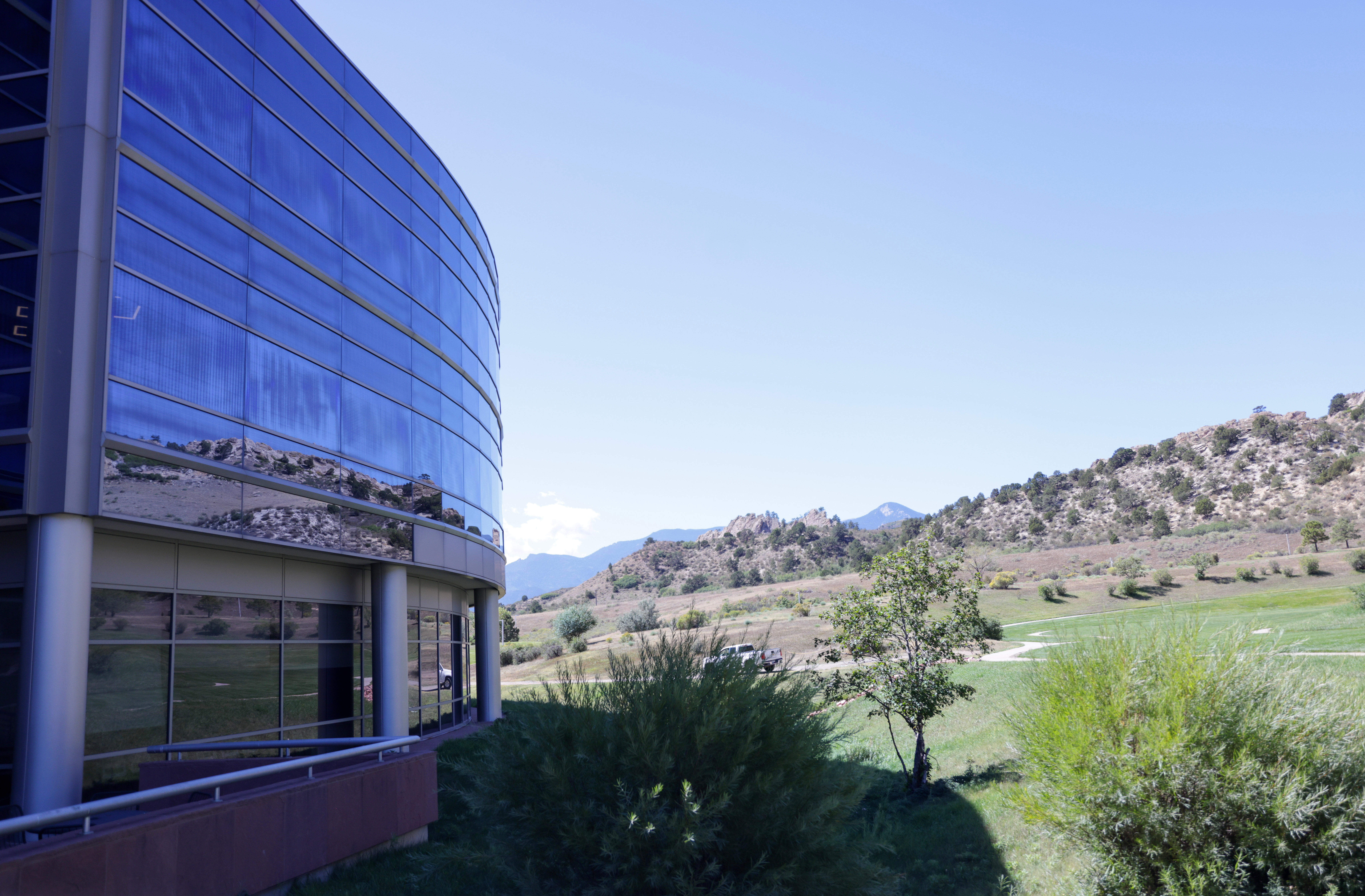
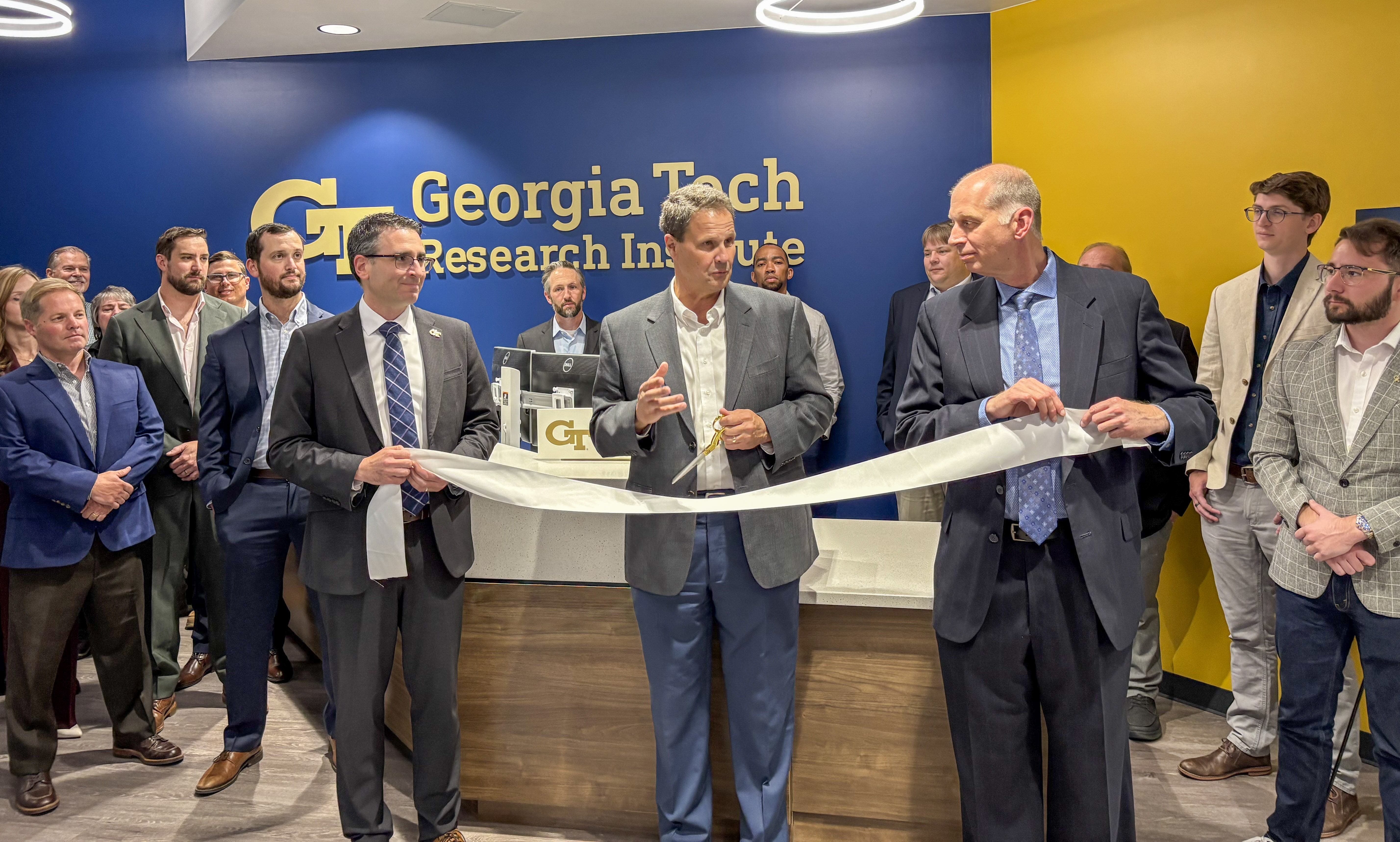
COLORADO SPRINGS, Colo. — On a clear morning at the foot of the Rocky Mountains, Georgia Tech Research Institute (GTRI) engineers, scientists, and staff along with members of Colorado's congressional delegation gathered to cut the ribbon on a facility built for a single purpose: to let the nation's top technologists and its newest military branch solve hard problems in the same room.
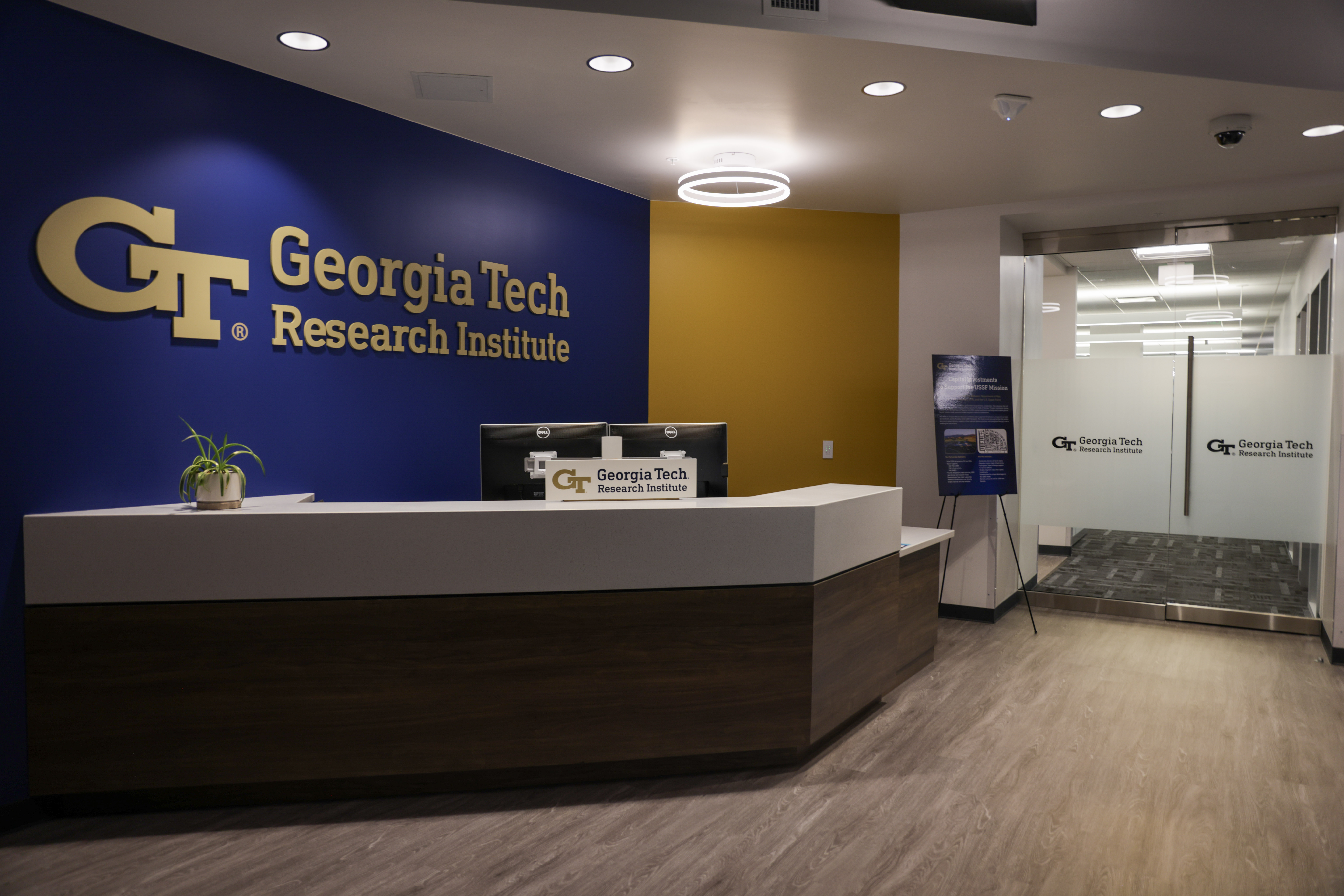
The GTRI field office, which includes a new large secure classified workspace, will house GTRI engineers and scientists working shoulder to shoulder with U.S. Space Force teams. The Colorado Springs Field Office currently has forty GTRI personnel on staff. The arrangement reflects a growing conviction inside the defense community that the pace of modern threats requires a closer, faster collaboration between researchers and the warfighters they support.
“We won’t have to go through layers of translation because the government people with technology needs will be sitting next to the GTRI engineers offering solutions. It makes for a very close interaction that we expect to continue for many years to come” said John Bunnell, GTRI’s Director of Space Program Development.
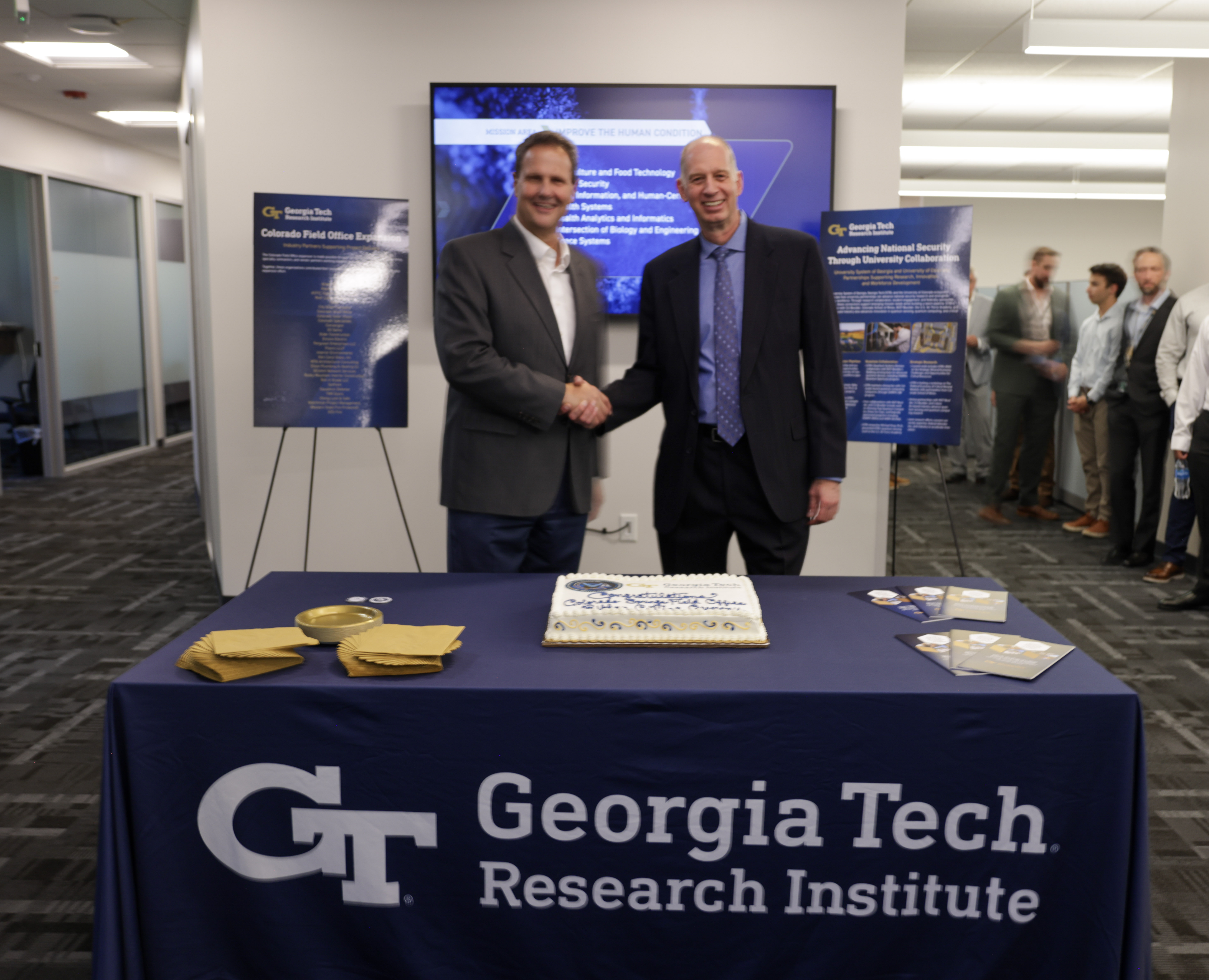
The facility represents a distinctive partnership among Georgia Tech Research Institute, the state of Georgia, and the Department of War, with the U.S. Space Force as a central mission partner and sponsor. The unique arrangement gave the Space Force a faster path to a secure home for its work than it could have secured using normal Federal Government processes.
The Space Force will be more than doubling in size over the next few years, a growth that is pushing its leaders to look for unconventional approaches to keep with demand in all of its mission areas, including research and development. University partnerships like this one have become part of that answer.
“Our work with the Space Force has grown tremendously over the last few years. Especially in the areas of homeland defense and space domain awareness; having this facility is going to amplify our ability to do that work” said Tommer Ender, GTRI’s Deputy Director for Research.
Inside the secure space, work is classified, but the model is straightforward. By placing researchers and military personnel in the same secure environment, both sides can move ideas into capability without the delays that come from working apart.
The opening arrives at a moment of momentum for Colorado Springs, which continues to expand its role as a center for Space Force acquisition, testing, and technology development. Recent federal investments include a potential $981 million effort to develop next-generation test and training technologies, and new acquisition leadership has been established in the region.
The facility also deepens ties between two university systems, in Georgia and in Colorado. Georgia Tech supports internships and academic programs at the University of Colorado Colorado Springs (UCCS), which can be seen from the Colorado Springs Field Office. There is currently a UCCS intern and a UCCS graduate among the GTRI employees in the office, an early sign of a talent pipeline both partners hope to grow.
For Colorado Springs, the message from the day was one of investment and jobs. For Georgia Tech Research Institute, it was continuity of mission. And for the Space Force, it was validation that the best way to build what comes next is to build it together.
The opening drew Congressman Jeff Crank, who represents the district and serves on the House Armed Services Committee, a panel with direct oversight of national defense programs and military space. His attendance reflected the strong congressional and community interest in Colorado Springs' growing role as a hub for national space defense and in the jobs and investment the new facility brings to the region.
About GTRI: The Georgia Tech Research Institute (GTRI) is the nonprofit, applied research division of the Georgia Institute of Technology (Georgia Tech). Founded in 1934 as the Engineering Experiment Station, GTRI has grown to more than 3,000 employees, supporting eight laboratories in over 20 locations around the country and performing more than $1 billion of problem-solving research annually for government and industry. GTRI's renowned researchers combine science, engineering, economics, policy, and technical expertise to solve complex problems for the U.S. federal government, state, and industry.
Writer: Katherine Hoffman (khoffman38@gatech.edu)
GTRI Communications
Georgia Tech Research Institute
Atlanta, Georgia USA

Related News


