
Just over an hour outside Atlanta, Dalton – Georgia’s so-called “Carpet Capital of the World” – has become a focal point for concerns about PFAS, a group of long-lasting industrial chemicals increasingly found in waterways and drinking water.
While PFAS contamination has drawn widespread attention, researchers at the Georgia Tech Research Institute (GTRI) are working on practical solutions to improve how these chemicals are detected, removed from water, and ultimately destroyed. Their work focuses on three key areas: detection, removal, and destruction technologies that aim to give utilities, businesses, and communities clearer, faster insight into where PFAS is — and what to do about it.
Regents Researcher Jie Xu leads GTRI’s overall efforts on PFAS management.
Understanding the PFAS Problem in Georgia and Beyond
PFAS, or per- and polyfluoroalkyl substances, are a large family of human-made chemicals that includes thousands of different compounds. They have been used for around nine decades to make products resistant to water, stains, and heat. They show up in many items, ranging from firefighting foams, dental floss, and carpets to nonstick cookware and outdoor clothing. PFAS materials don’t break down easily in the environment, possibly persisting for hundreds or even thousands of years.
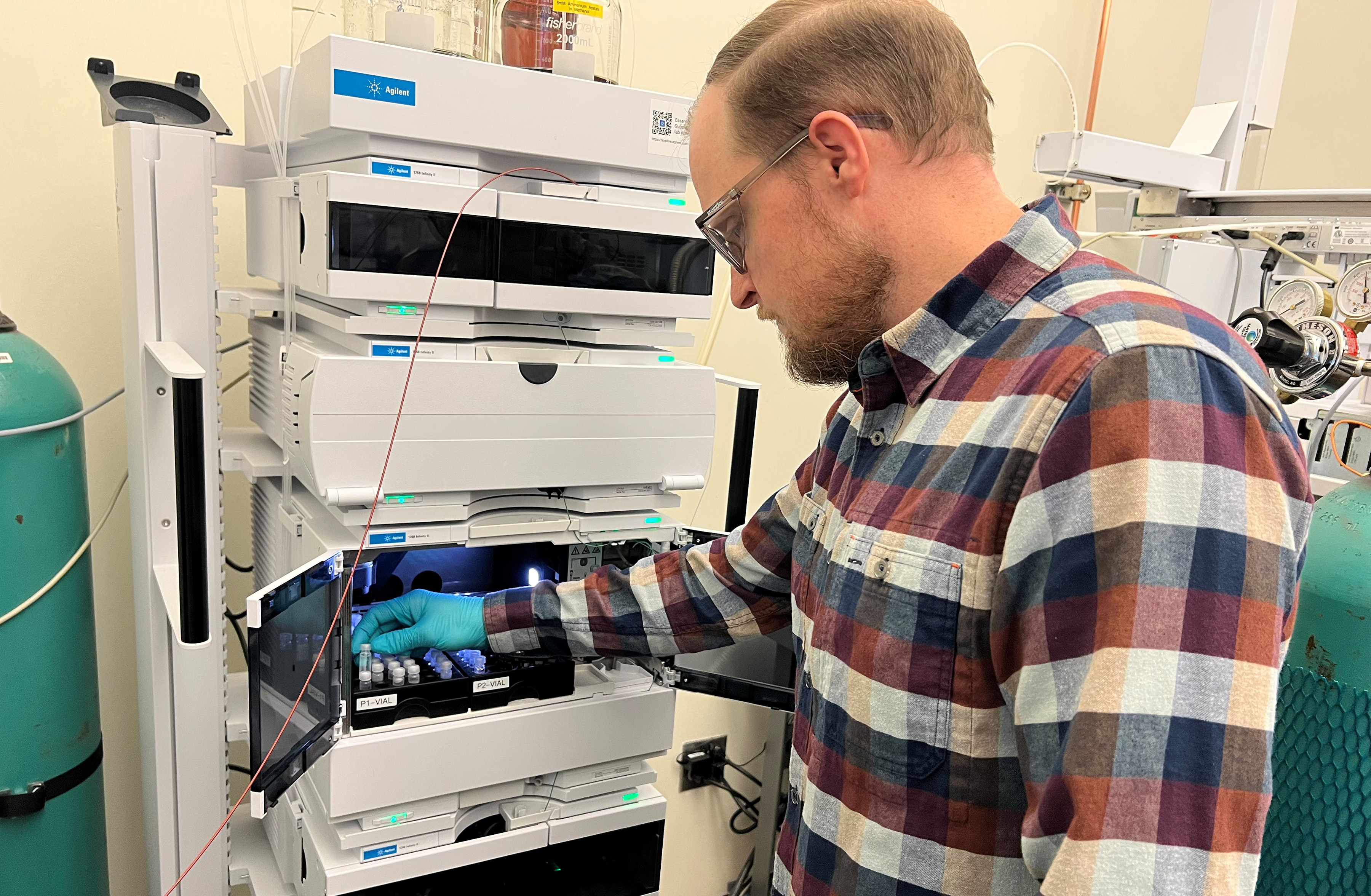
Studies have linked PFAS exposure to serious health risks, including some cancers, immune system effects, and heart disease. But unlike many contaminants, the primary concern about these chemicals is not a single, high-level exposure. Instead, it’s long-term, low-level exposure.
“This isn’t an acute exposure you’re concerned about,” said Senior Research Scientist Christopher Heist, who studies PFAS effects on Georgia’s poultry industry. “It’s a chronic exposure. And while you’re not going to be able to live completely PFAS‑free, there are steps that can be taken to reduce exposure to the materials.”
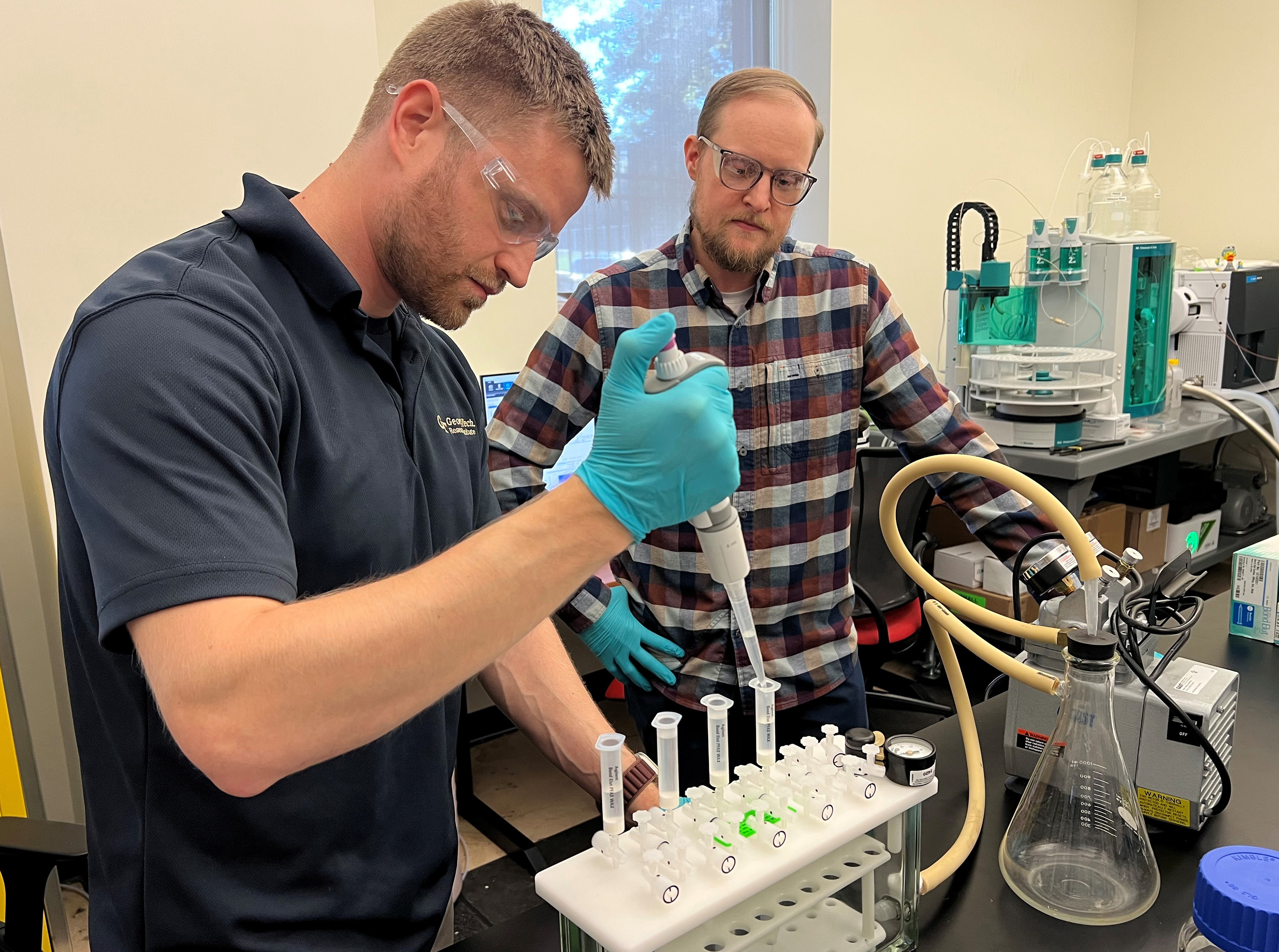
One of those steps entails improving how PFAS is removed from water. GTRI is developing novel adsorbents to remove ultrashort, short and legacy PFAS species based on functionalized magnetic nanoparticles. The use of such nanoparticles to remove suspended solids, organic waste, nitrogen and phosphorous species was previously piloted at the City of Woodstock’s wastewater treatment plant, where it helped reduce the chemical use and sludge produced by conventional treatment processes.
Now, GTRI is tailoring the same approach for PFAS, so the adsorbent can grab the PFAS species from large volumes of water and concentrate them into a much smaller amount of waste. That smaller, concentrated stream is far easier to handle than millions of gallons of lightly contaminated water, making any follow‑up treatment or destruction step more practical.
Faster Detection and More Affordable Testing
PFAS detection is another major challenge. To address it, GTRI is building on earlier work to develop faster, more portable testing tools, as well as expand lab testing capabilities and cost-effectiveness.
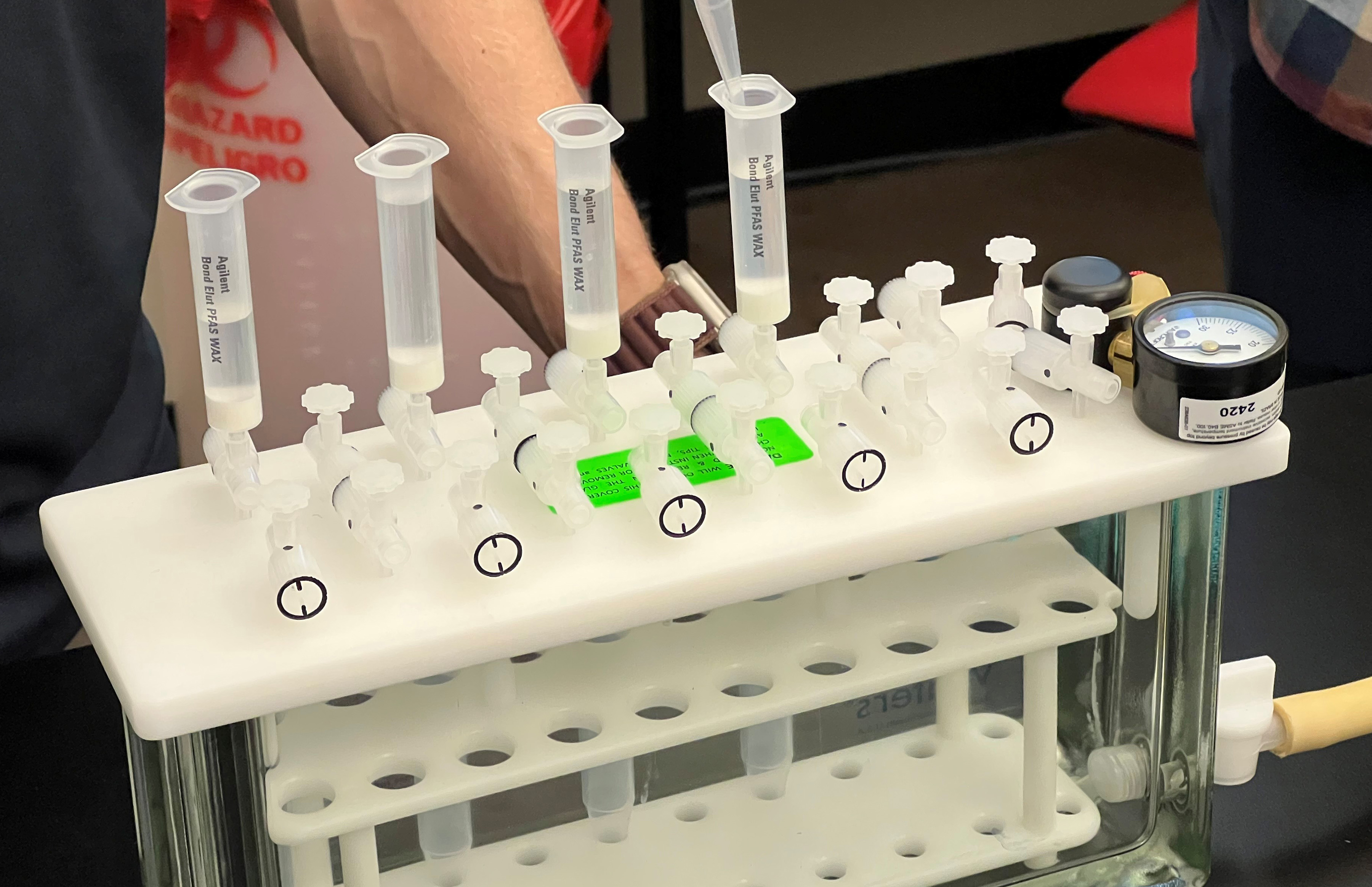
In 2018, GTRI licensed their handheld interferometry sensing technology to Salvus®, LLC, for commercial development. In 2024, GTRI and Salvus entered another licensing agreement for PFAS sensing technology to use in the Salvus® Detection Platform. Based in Valdosta, Georgia, Salvus introduced the portable Salvus PFAS solution mid-year in 2026.
“We value the collaboration with the team at GTRI in developing the interferometric technology to target PFAS compounds,” said Andre Tatar, general manager at Salvus. “It has been an exciting journey in bringing the portable Salvus PFAS solution to market this year. The easy-to-use modules automate the sample preparation and screening processes to deliver results at the point of concern within hours so users can make more effective decisions more quickly.”
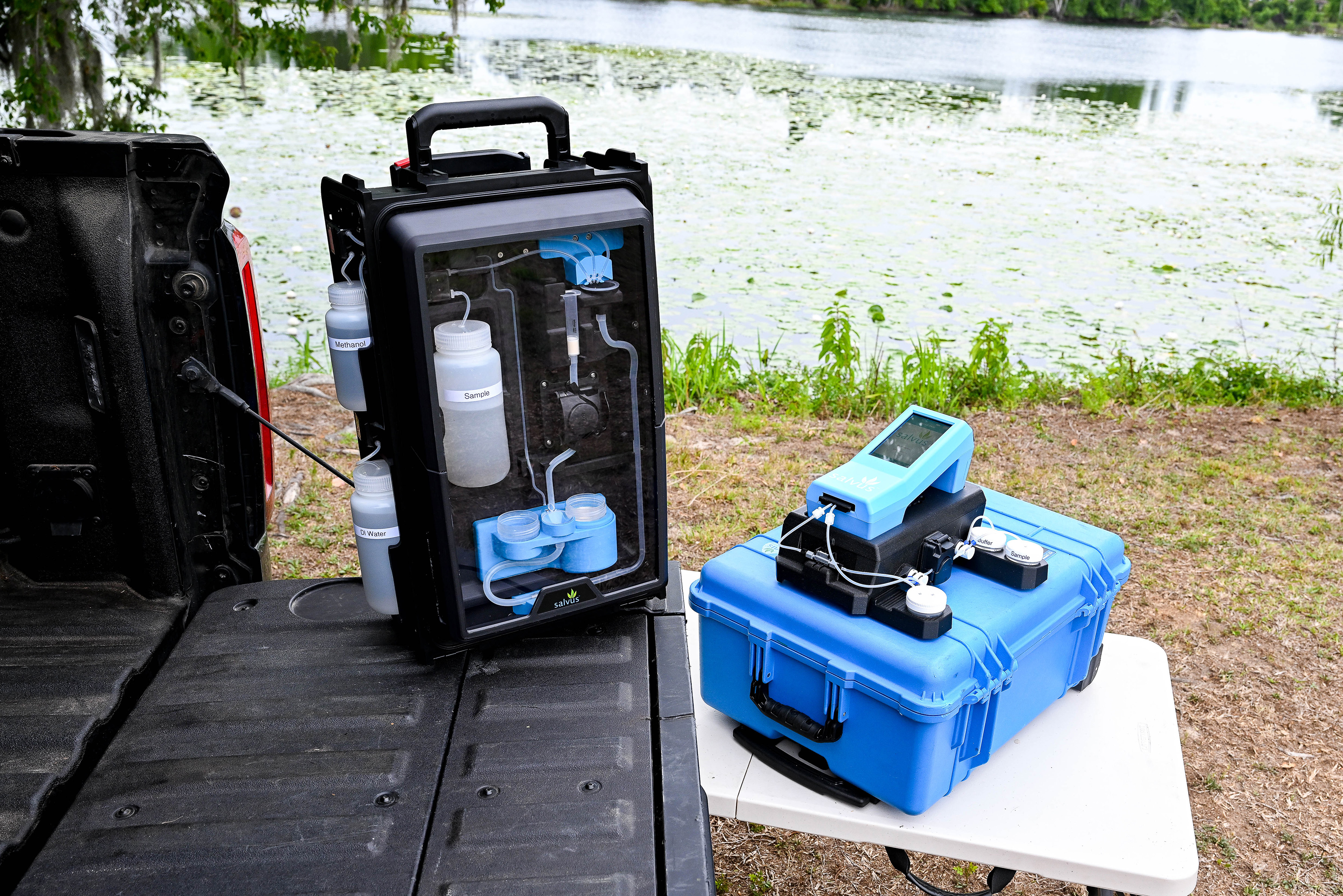
The technology is built on evanescent-field waveguide technology. Light traveling through the waveguide creates a field that oscillates over the sensing surface and detects refractive index changes caused by target molecules binding to the receptor layer.
Even with faster field detection, laboratory testing remains essential, but this can be costly and limited in scope, as well as take days or weeks to result. Current U.S. Environmental Protection Agency methods target only about 40 PFAS compounds — despite thousands being in use.
GTRI chemists are working to expand that capability to test a larger number of PFAS compounds while lowering the cost per test.
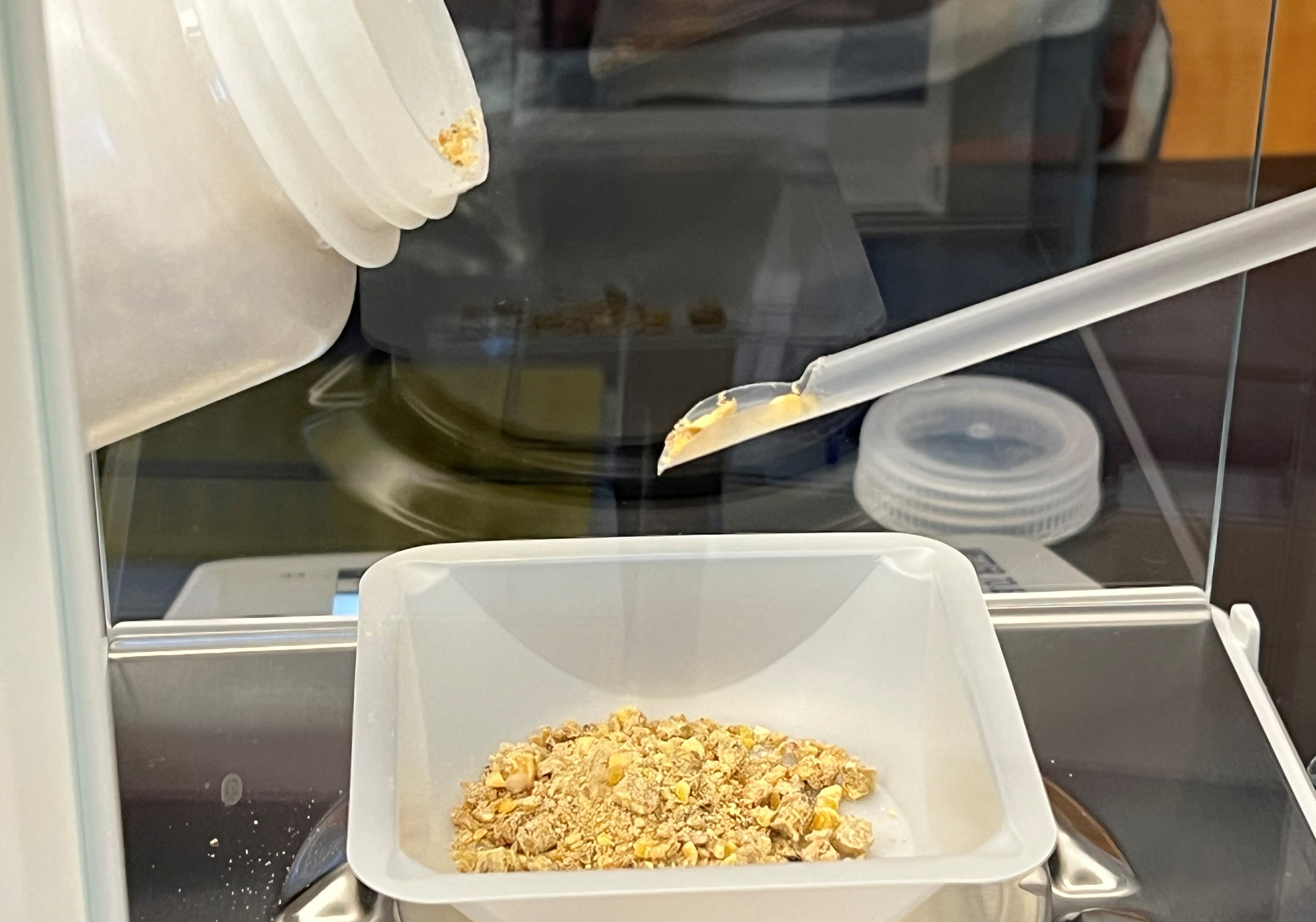
“For us in our lab, it still costs us $300 to $500 per sample to run it,” said GTRI Research Scientist Jordan Ash. “Through our partnership with Salvus, we anticipate bringing this cost down substantially.”
From Removal to Destruction
But identifying and removing PFAS is only part of the equation. Once captured, the chemicals still need to be disposed of with minimal environmental impact.
GTRI researchers are exploring ways to address this challenge by combining their removal approach with low energy destruction methods, assisted by a novel catalyst. This way, PFAS could be broken down rather than simply transferred to a disposal landfill.
“We’re not inventing an entirely new destruction technique,” Heist said. “We’re taking things that are already out there, adding catalyst, and stitching them together in a way that allows them to complement one another.”
As a state-affiliated research institute, GTRI plays a neutral technical role, evaluating what works and under what conditions and at what cost. GTRI has made PFAS a strategic research focus, supporting internal projects that bring together chemists, engineers, and systems specialists across GTRI and Georgia Tech.
As Georgia and other states confront PFAS contamination more directly, including high-profile cases like those in Dalton, GTRI’s work aims to provide something often in short supply: clear, practical options grounded in data.
ABOUT GTRI: The Georgia Tech Research Institute (GTRI) is the nonprofit, applied research division of the Georgia Institute of Technology (Georgia Tech). Founded in 1934 as the Engineering Experiment Station, GTRI has grown to nearly 3,000 employees, supporting eight laboratories in over 20 locations around the country and performing more than $1 billion of problem-solving research annually for government and industry. GTRI's renowned researchers combine science, engineering, economics, policy, and technical expertise to solve complex problems for the U.S. federal government, state, and industry.
Writer: Anna Akins
GTRI Communications
Georgia Tech Research Institute
Atlanta, Georgia USA

Related News